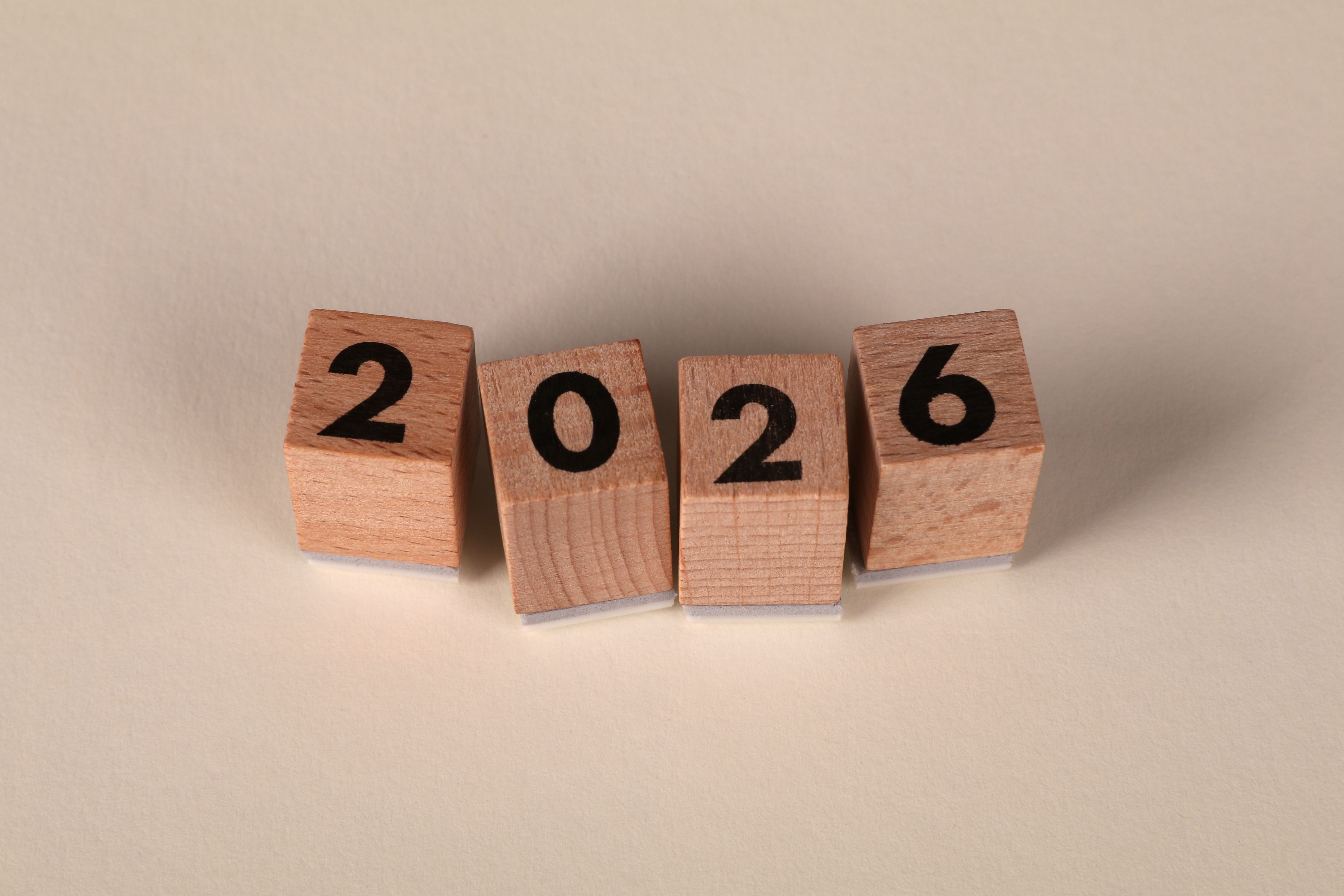

New Domain Extensions Are Coming: ICANN’s 2026 gTLD Round Explained
Hook: The moment your cursor slips into the address bar and you press Enter, you feel something true and unspoken: a door opens. Not merely to a website, but to a vast, choreographed infrastructure humming behind the scene. A keystroke becomes a bridge, a whisper to a sprawling nervous system that threads through oceans of cables, protocols, and databases. The click is effortless; the cascade is not. It is a choreography of intent and consequence, performed in fractions of a second, invisible to our senses, indispensable to our daily habits.
The ease of typing a URL is a credulity stretched to trust. You type “example.com” and expect a page. You don’t feel the year-long machine-work that translates those letters into numbers, negotiating traffic across continents, and reconciling legal and commercial entanglements that bind a domain to a real-world entity. You don’t sense the registry operators, the root servers, the domain name system, the icann clockwork, or the fee-laden bets placed by engineers and financiers on strings that may or may not come to life. And yet, here we are, at the moment when the door to new strings—new ways to address ourselves online—squeaks open again, inviting more actors to join the stage.
The Deconstruction: What a Domain Is, and Why It Matters Beyond the Address
A domain is not simply the house on the digital street; it is a multi-layered contract. It is a global coordinate, a front door, a legal deed, and a cognitive anchor for a brand’s presence in a nervous system that spans air, fiber, copper, and satellite. The shift from numeric IP strings to readable language was not merely cosmetic. It was a leap in civilization’s ability to map trust, memory, and commerce onto a shared substrate. When the human mind learned to say “example.org” instead of “93.184.216.34,” we gained the power to think of the internet as a landscape we could navigate with intention, memory, and meaning. The modern web was reborn as something legible, navigable, and legible to law, culture, and market.
And yet the domain remains a delicate hinge between intent and execution. Each TLD is a public registry—an anchor in a sea of packets, a promise that a string will be administered with fairness, transparency, and security. It is a tacit social contract: you, a potential registry operator, may steward a community’s digital address, while the rest of the world places their trust in a governance mechanism, in a layered system of checks, balances, and, yes, contention. The prospect of new TLDs in 2026 is less a pageant of novelty and more a reconfiguration of the internet’s nervous system: more possible routes, more acronyms to memorize, more points of friction, and more opportunities for value, error, and friction to surface.
The Blindness: How We Tolerate an Invisible Infrastructure
We walk through the web’s thresholds as if walking through air. We type, and a second later we arrive, sometimes without awareness of the people, laws, and technologies that made that moment possible. The DNS is a distributed compilation of trust: registries, registrars, root servers, and the policies that govern when and how a name becomes a living address on the global stage. The 2026 round—where ICANN opened the Next Round for applications, collected fees, and prepared for reveal day—exposes, in microcosm, the scale of this invisible work.
Think of the price tag: a $227,000 per string application, a sum that signals intent with gravity. That is not a hobbyist’s whim; it is a multi-year bet on a digital deed that carries both potential and risk. The logic echoes through the years: ancient chambers of contention, legal language, and the possibility that more than one party will crave the same string. The process is not a race to be first; it is a contest of legitimacy, capacity, and viability in a system designed to balance freedom with order. The idea that a digital address is simply a place to land dissolves when you consider that each string must withstand scrutiny, objections, and possible auctions, or risk becoming nothing more than a name in a ledger, a rumor of an online presence that never truly exists.
To feel the scale is to glimpse a world where words become land parcels, where a single two- or three-letter suffix can restructure a digital ecosystem. The 2012 round laid down a precedent: thousands of applications, hundreds of new endings, and a reminder that the internet is a marketplace of trust as much as a marketplace of ideas. This time, the field expands dramatically, with players proposing hundreds of strings across AI, commerce, crypto, culture, and infrastructure. The theatre of contention becomes a stage where technology, law, and commerce argue about which strings will be granted a live existence and under what terms. The dream of total openness meets the stubborn fact of limited real estate in the DNS—an invisible map that must be negotiated, priced, and assigned.
The Resolution: What This Round Reveals About Our Digital Real Estate
The ICANN timeline reads like a calendar of almost silent revolutions. Applications window closes, administrative checks begin, Reveal Day reveals a catalog of strings and applicants, and a chorus of objections and contention sets follows. The first launches arrive years later, when uncontested strings finally sign registry agreements and bloom into real, usable spaces on the web. The arc is patient, technical, and political—a reminder that the internet’s future is shaped not by a single genius’s spark but by a constellation of governance, market dynamics, and technical evolution.
What, precisely, will this mean for you—an ordinary user who types URLs as a reflex? It begins with awareness. The new extensions will not appear as instant, magical keys that unlock sites. They will appear as potentialities—gradients of possibility that shift the way brands, communities, and creators imagine their online identity. Prices will be set by the registries, not by the public, and the same strings that excite the imagination might be the same strings that face contention, legal questions, or delayed launches.
The big signal, though, lies in the AI and technology strings that are making headlines in the draft lists: .llm, .agi, .quantum, .robot, among others. The industry expects a vibrant battle for these tokens, not just among humans but among automated agents that can register, renew, and manage domains. Your browser’s day-to-day experience could become more entangled with intelligent processes that manage domains on your behalf, aligning technical capability with human intent in previously unimagined ways. The internet’s address system is evolving from a passive directory into an active assistant, an interface broker between human plan and machine execution.
And yet, as the registry aisles fill with possibilities, the sober truth persists: these strings are not guarantees. They are promises in a legal and technical sense, subject to contention, evaluation, and the slow, deliberate work of governance. The launch won’t be a single wave; it will be a tide, rising gradually as approvals, auctions (when necessary), and registrations push strings toward actual use. The architecture of our online lives is not a given; it is a constructed landscape, and each new extension is a potential new district in a global digital city.
The Thread of Wonder and Skepticism
So we arrive at the end with a lasting sense of wonder—paired with caution. The new gTLD round is a reminder that the internet’s most ordinary acts—typing a domain, loading a page, clicking a link—rest on a colossal, careful orchestration of human governance and technical design. It is easy to forget, in the warm glow of a loading page, that every name has a legal story, a budget, and a potential to become a battleground or a boon for communities around the world.
Our daily traversal of digital space is, paradoxically, both mundane and miraculous. We glide across a planet-spanning web of routers and DNS resolvers, all coordinating with the quiet precision of a thousand synchronized breaths. And yet this vast, delicate system is built on human decisions: who gets to write a string into the registry, who can object, who can bid, who can claim a digital deed. The 2026 round is not merely about new endings; it is about who we become as stewards of our shared online landscape.
Final reflection: The Destiny of Everyday Geography
As you log off tonight or skim the next day’s newsletter, pause for a moment over the address bar. The line you treat as a simple, readable stop on a map is in fact a syntax loaded with trust, law, and infrastructure. It is a digital deed, a cognitive shortcut, and a fragile bridge between nations, networks, and neighbors. The world of domain names—new TLDs, contention sets, sunrise and landrush—speaks to a larger truth: we have learned to live with what we can name, and in naming, we grant a certain permanence to our digital selves.
In that tension between ease of use and the weight of consequence lies the poetry of the internet’s invisible nervous system. The new 2026 round invites us to imagine not just what we type next, but what we authorize, what we protect, and what we risk by giving names to our collective digital ground. It is a story worth watching, because it is our story: a map still being drawn, a trust still being negotiated, a world still learning how to belong to everyone who types, clicks, and dreams online.